01 7 models
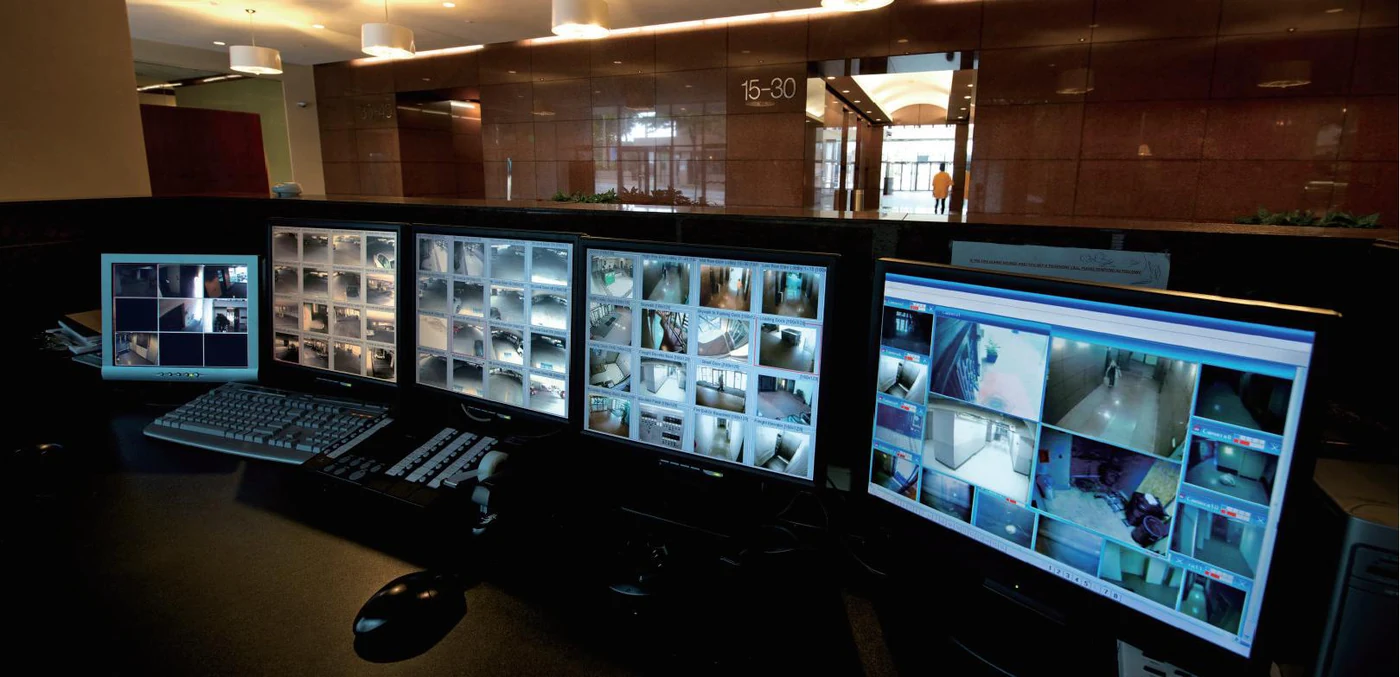
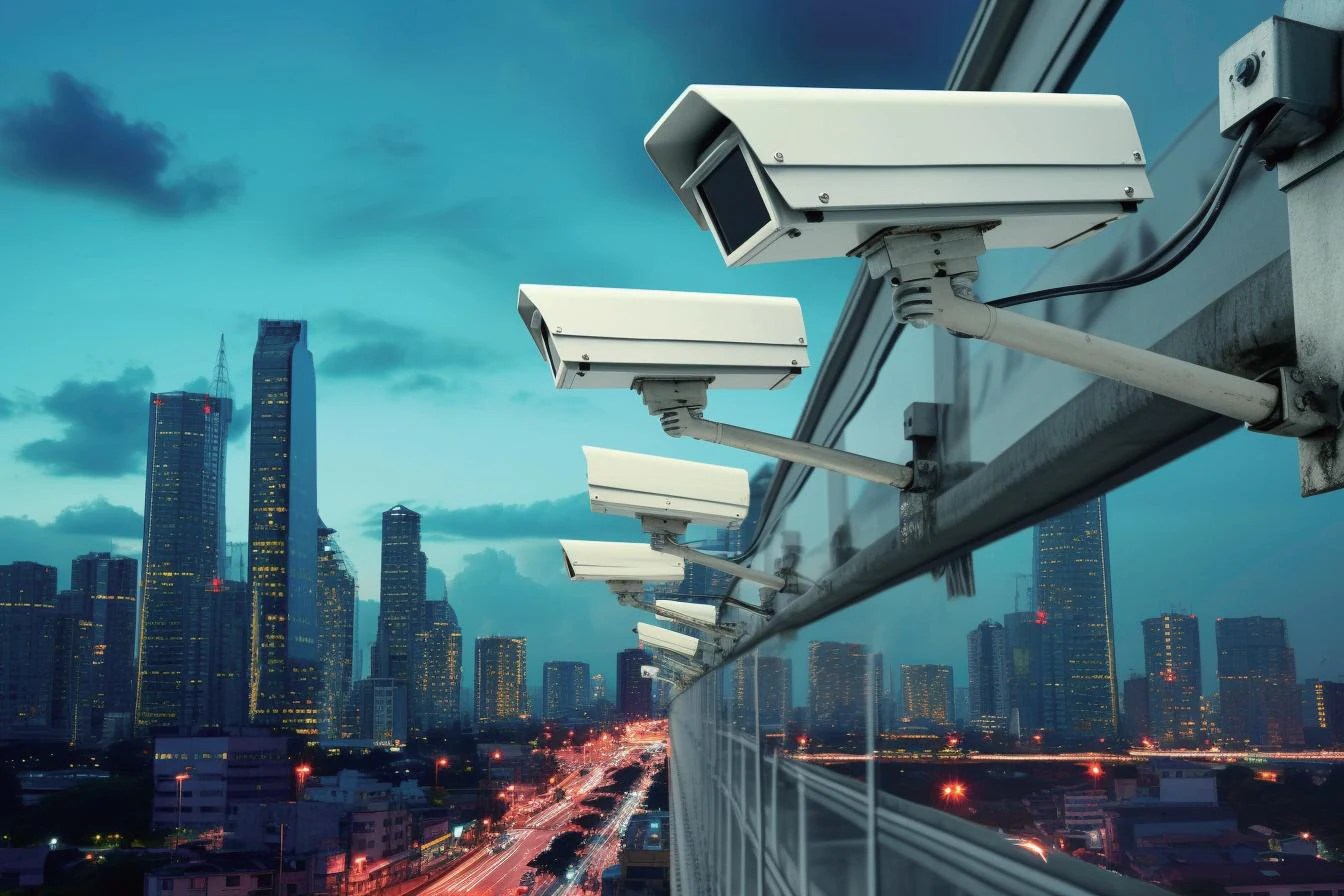
CCTV and PoE cameras
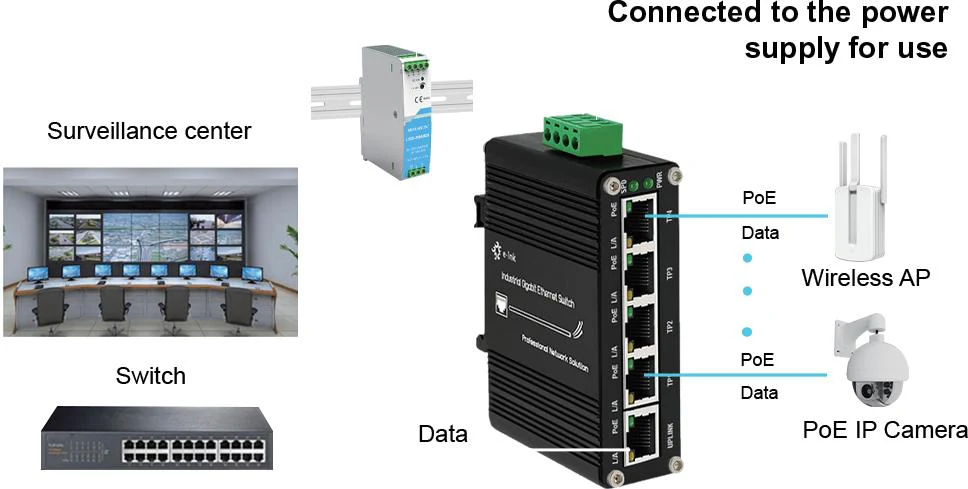
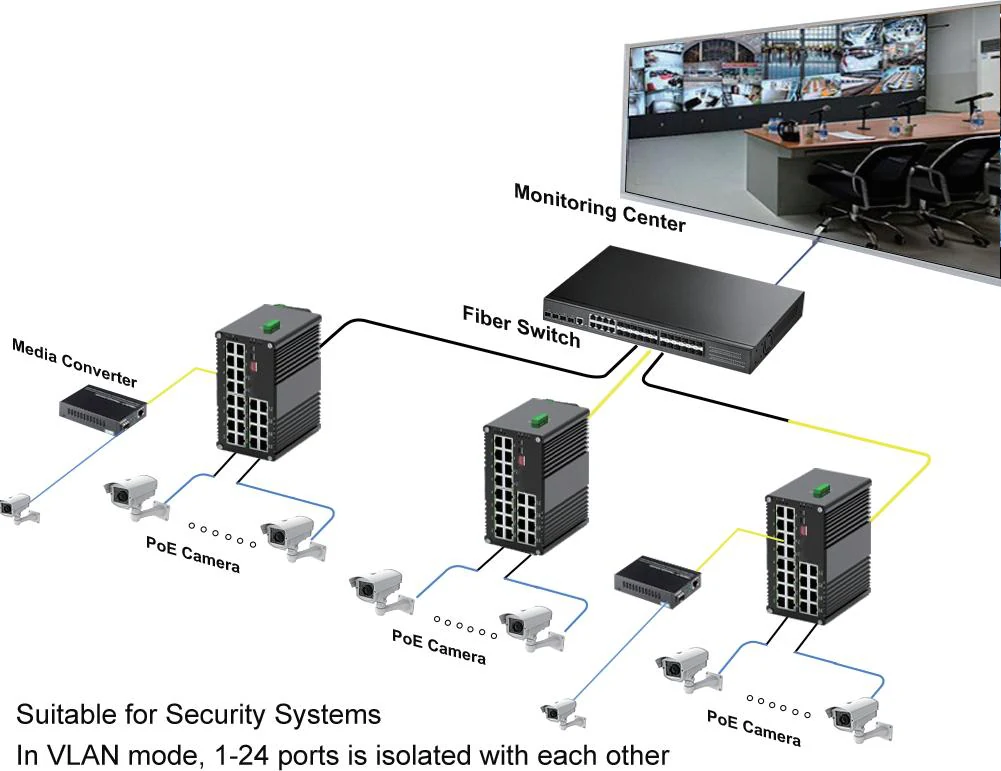
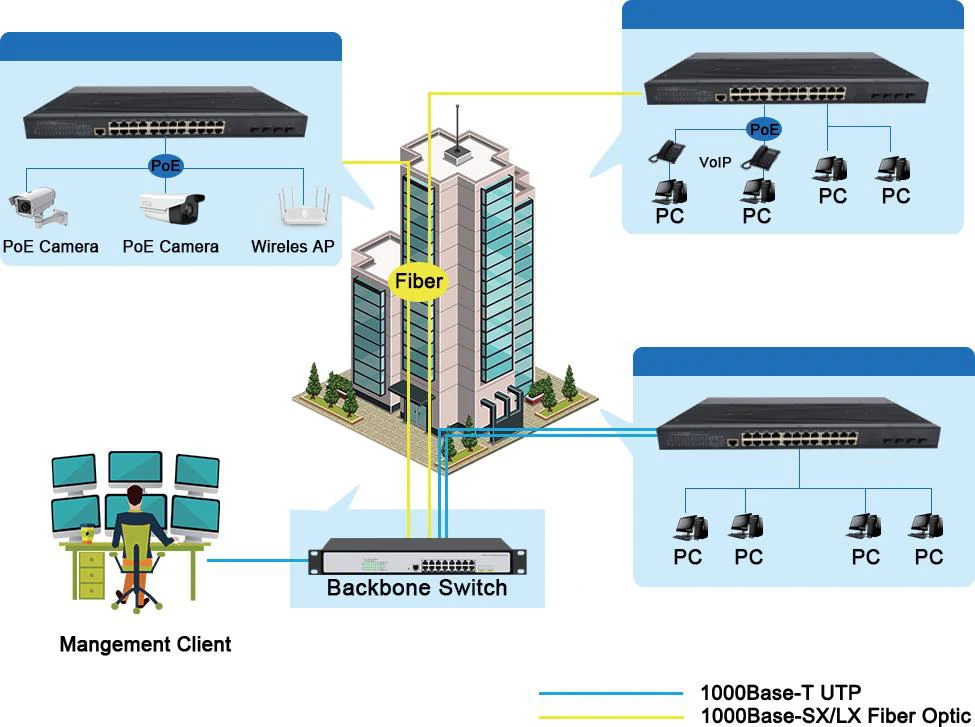
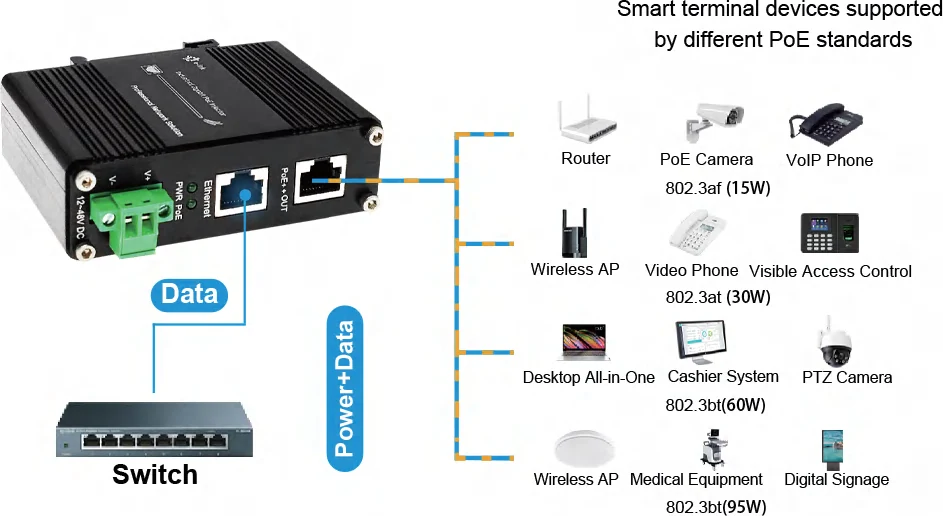
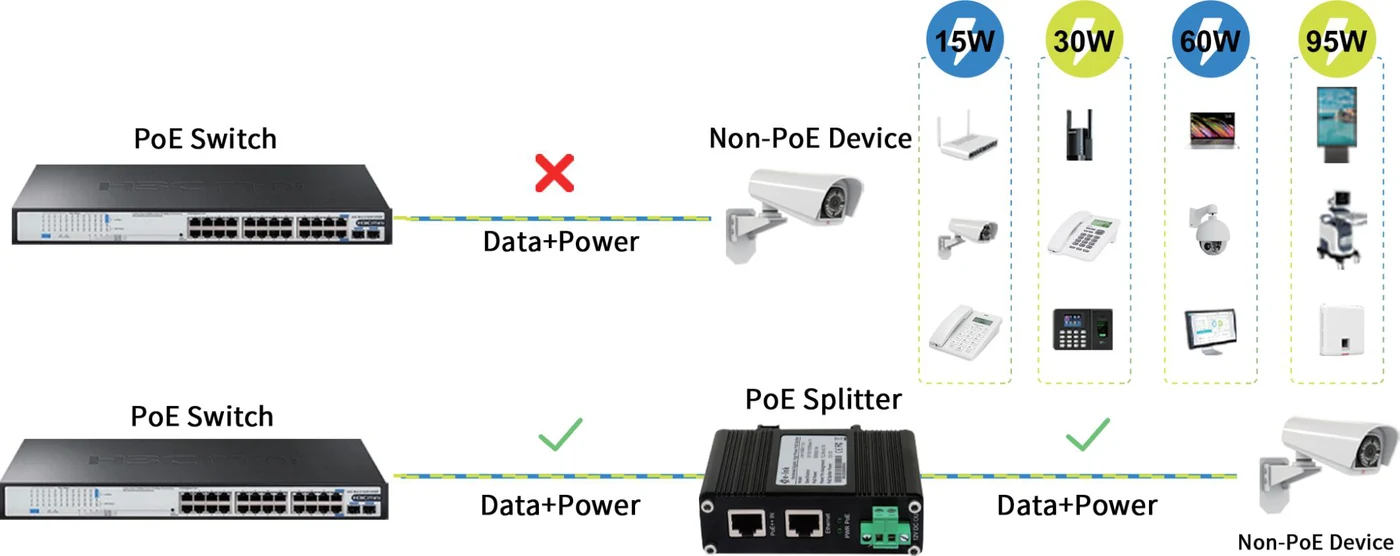
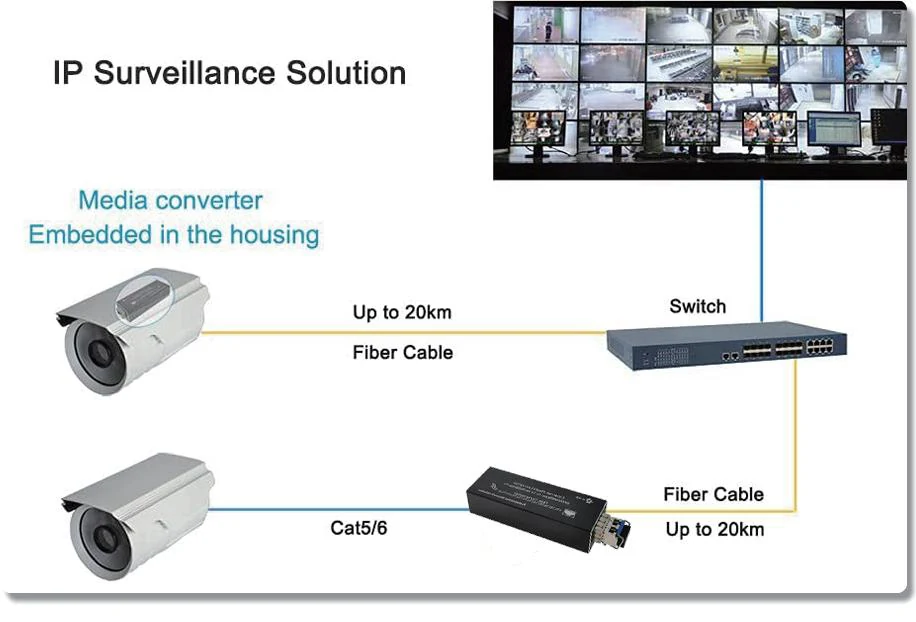
PoE switches and converters with fiber uplinks, plus the injectors and extenders that keep a camera alive at the far end.
Applications
A camera on a pole, a toll plaza forty kilometres from the centre, a feeder pillar on a distribution network, a branch cabinet and a machine cell all use the same catalogue — but not the same models. Each page below works through one of them: what the link has to solve, how to size the ports, distance, power and temperature, and where the install usually goes wrong.
5 application pages · 186 catalogue models
01 — By application
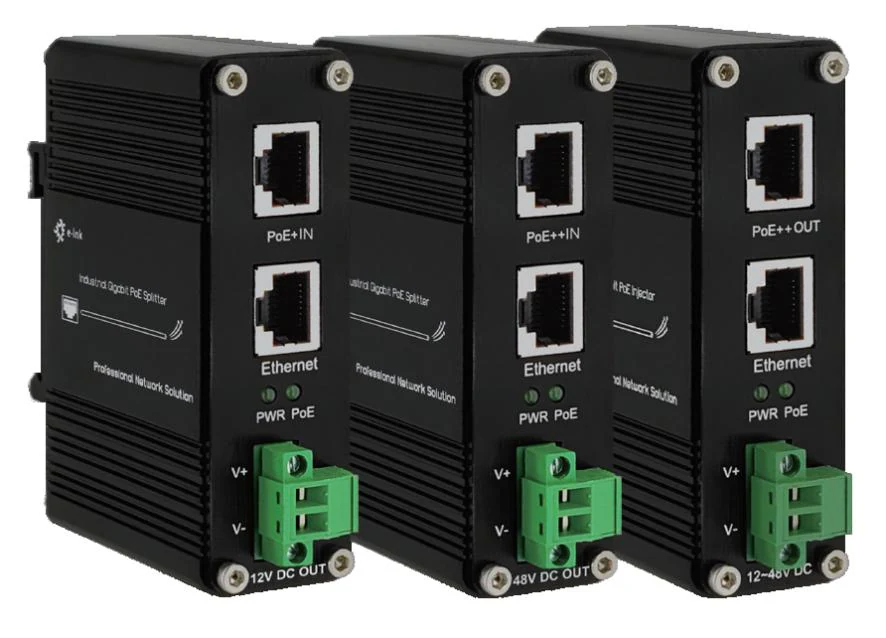
PoE switches and converters with fiber uplinks, plus the injectors and extenders that keep a camera alive at the far end.
Aggregation switches for the plaza cabinet, DC-input units for gantry sites, and the optical reach that connects them to the centre.
Serial fibre modems for RTUs and feeder terminals, industrial Ethernet for the station bus, and DIN-rail parts that accept station battery voltage.
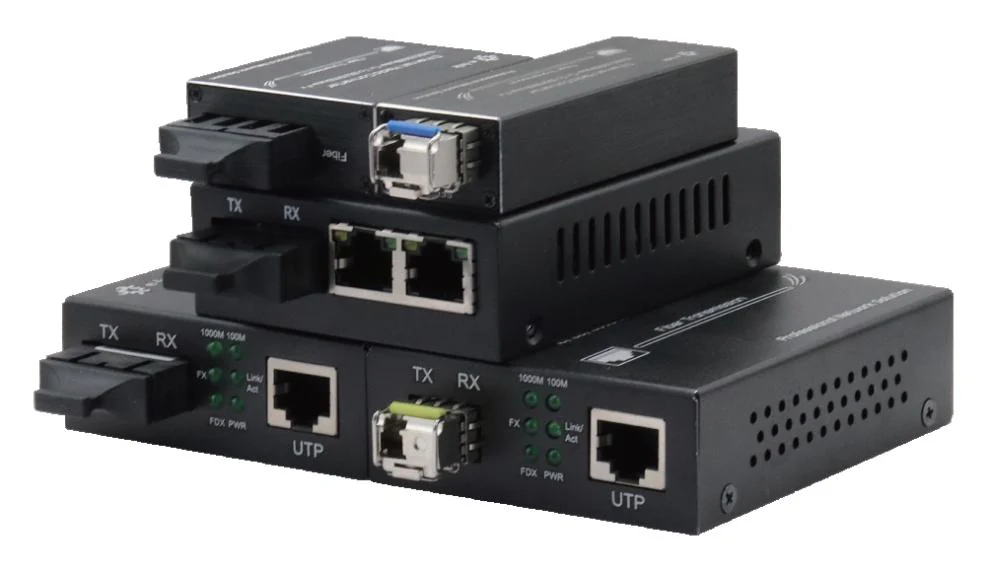
Managed switches for the cabinet, converters where one service needs one strand, and the PoE layer for lobby cameras.
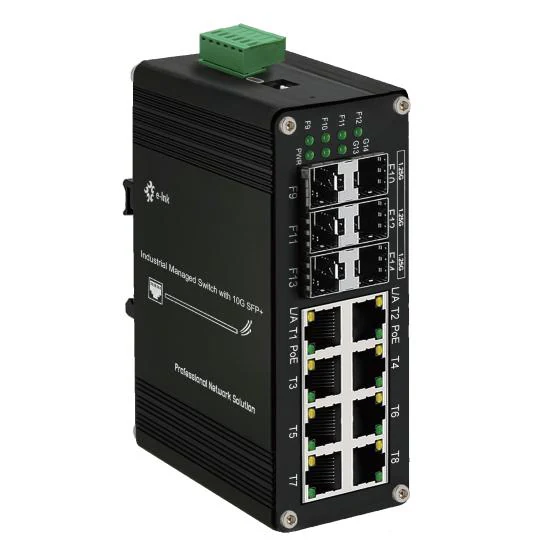
Cell-level switches, line-cabinet aggregation with SFP uplinks, 10G backbone parts and the DC power rail that feeds them.
Send the drawing with ports, spans and the power available at each cabinet. The model numbers come back against your topology.
Read it in order
Each page opens with what the link has to solve, then sizes ports, distance, power and temperature against the catalogue, then lists the failures that come back as call-outs.
The table is the quote
Four to eight real models per page, with ports, input power and reach copied from the catalogue page each one comes from — no placeholders, no invented part numbers.
What is not published
Price, minimum order quantity and lead time are confirmed with the quotation, because they move with the model and the volume rather than with the site.
02 — Installations


03 — Network topology
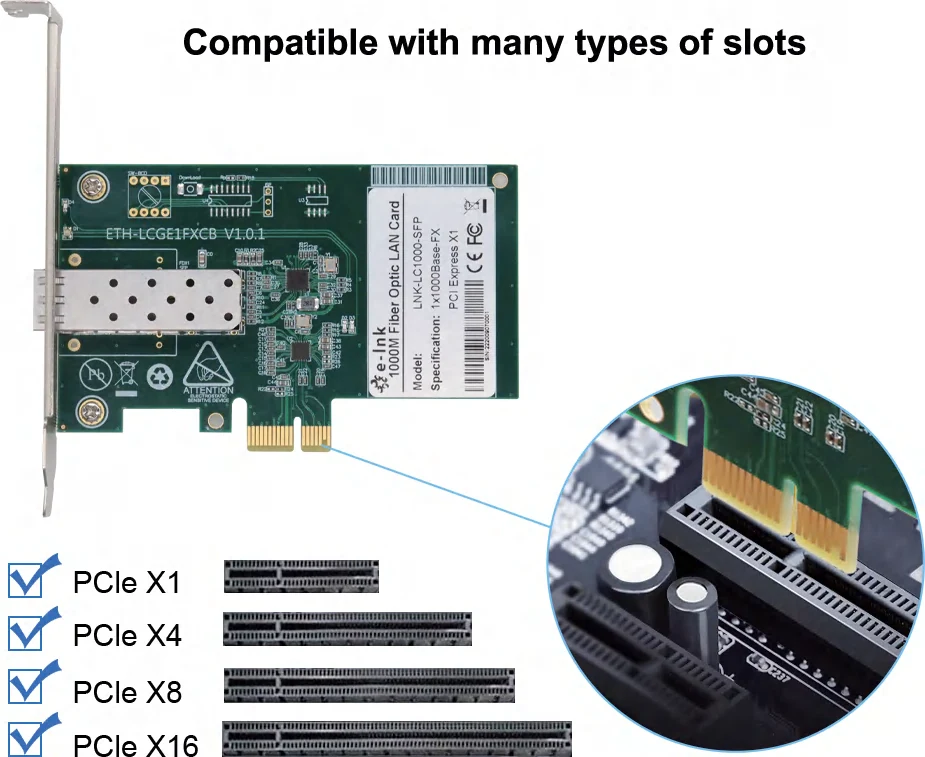
04 — Close-ups
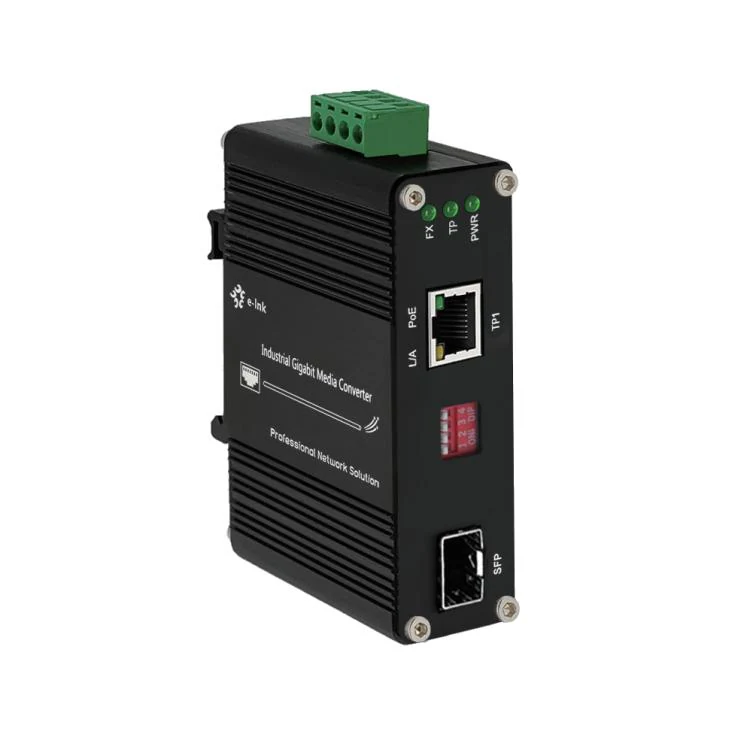
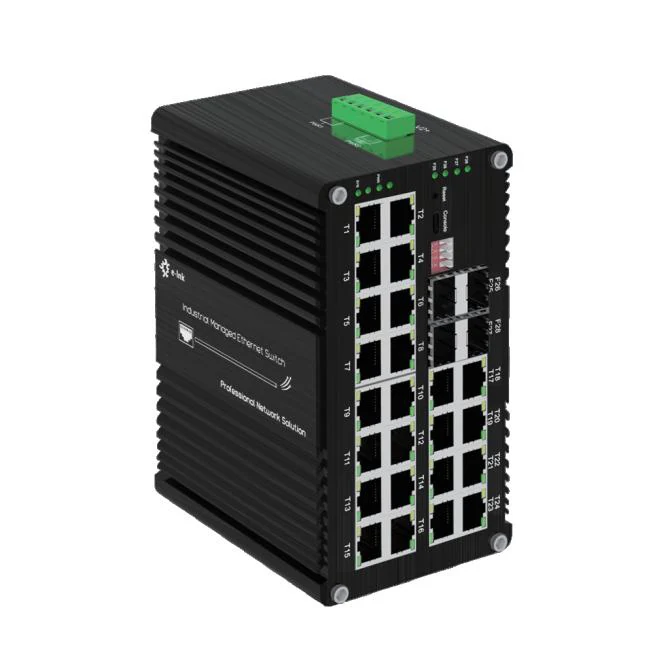
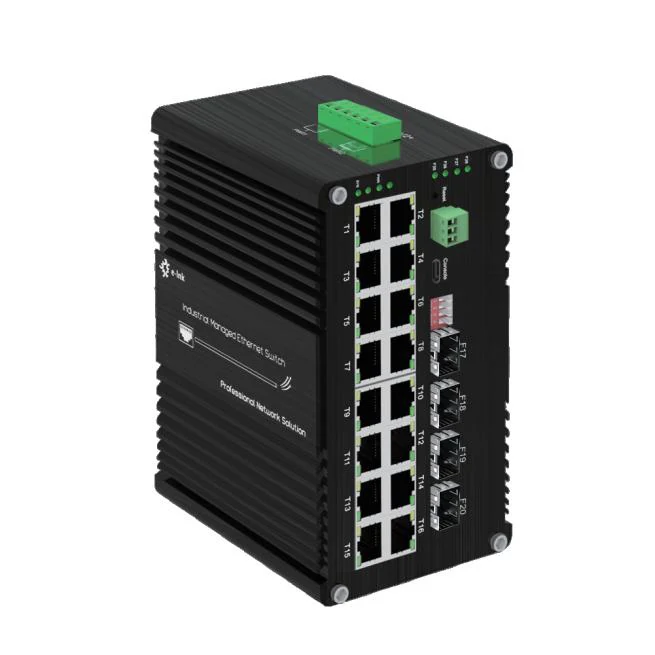
05 — Global network
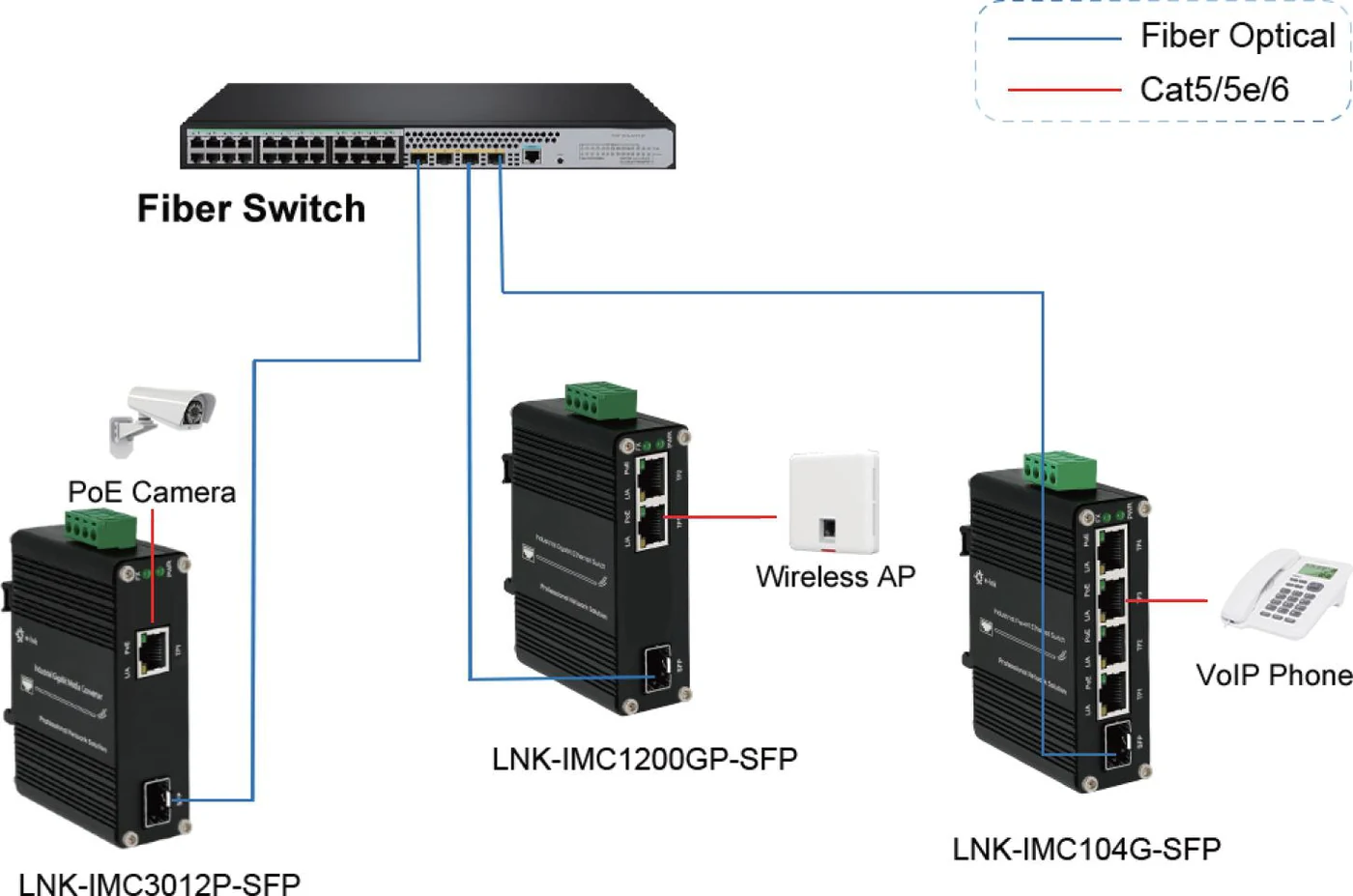
If your topology is already drawn, send it — we will mark the model numbers against each node.
Send a topology